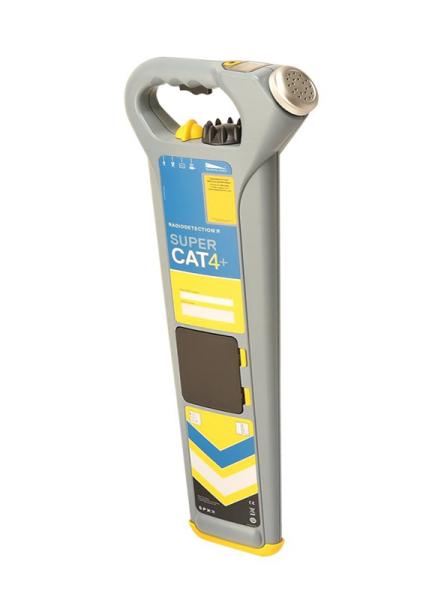
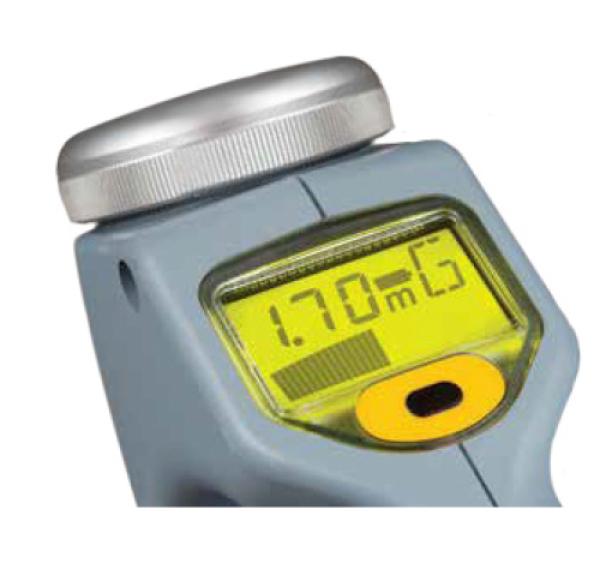
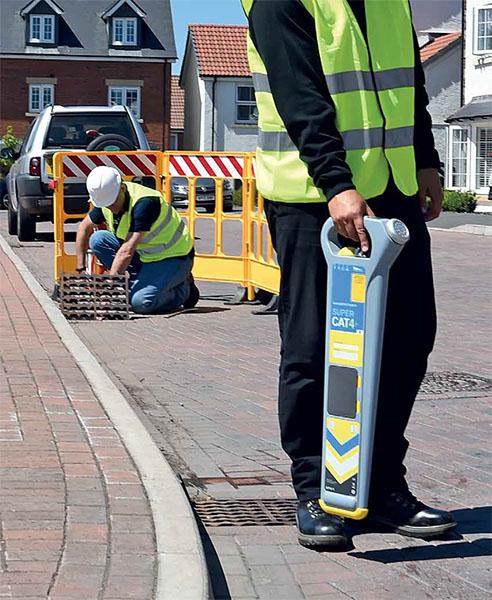
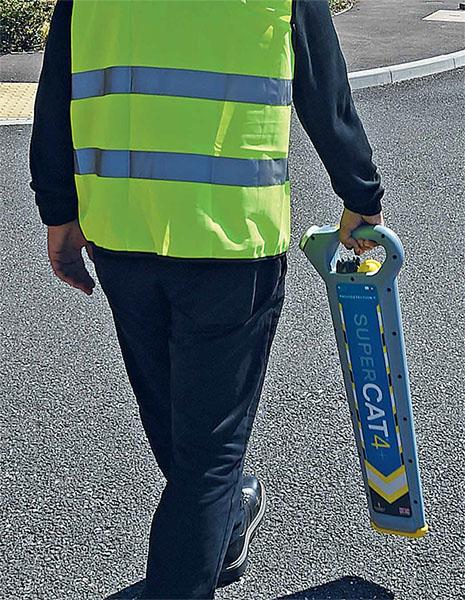
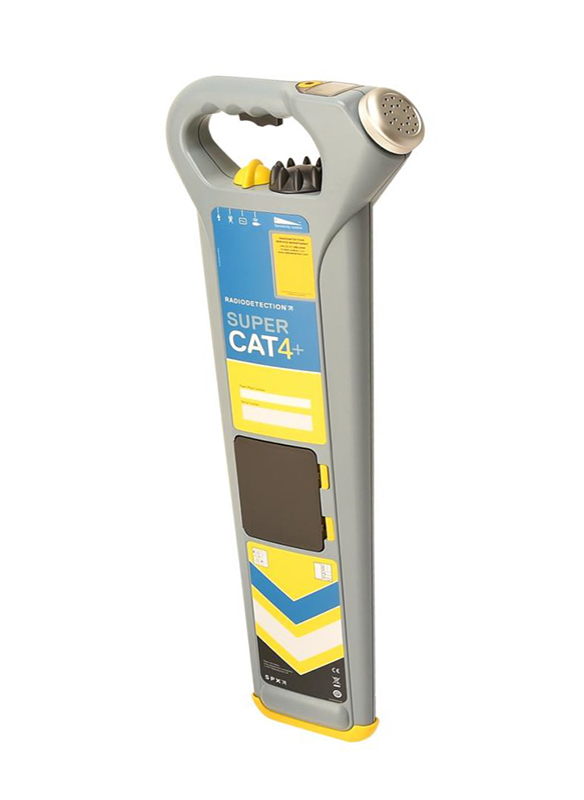
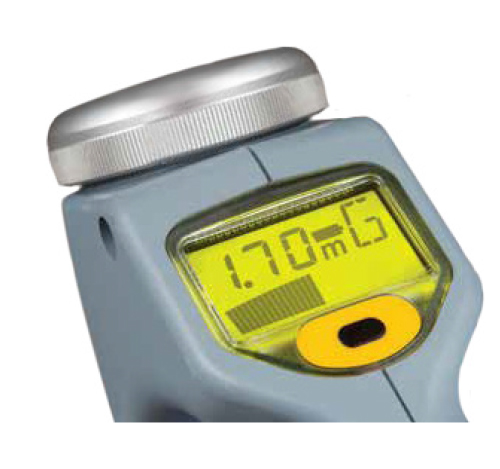
SuperC.A.T4+
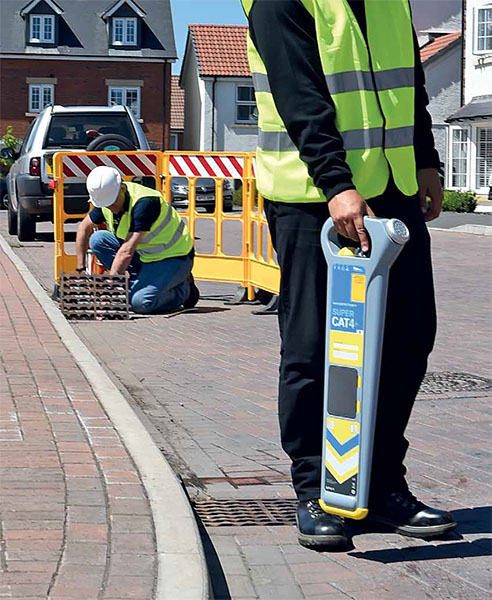
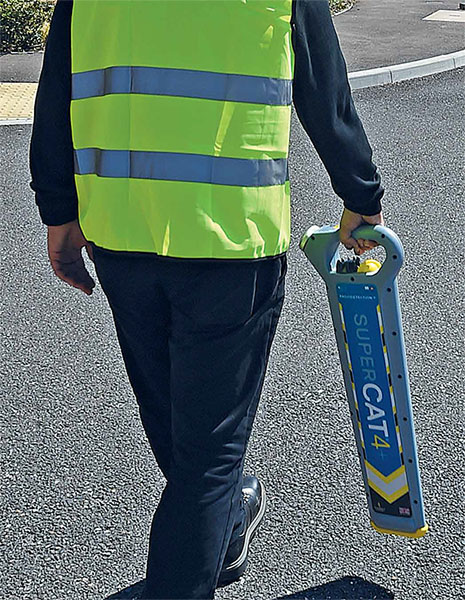
Designed for use in the demanding environments of the construction industry, this locator receiver can be combined with a wide range of sondes and accessories.
Locate and protect buried utilities
Safe excavation work relies on the accurate detection of underground utilities. Poor identification of existing utilities can lead to damage to underground pipes and cables. This may result in outages, costly repairs, and project delays. In some cases, it may even lead to accidents causing injuries.
APPLICATIONS
Each model of the SuperCAT4+ and T1 series has been developed to meet the requirements of a specific industry.
SuperC.A.T4+
Construction industry
Designed for use in the demanding environments of (civil) construction, this receiver can be used with a wide selection of sondes and accessories.
SuperCAT4+ detects a wide range of active frequencies to support the identification and tracing of different cable types in various environments.
Higher frequencies such as 131kHz or 65kHz can be used for locating well-insulated, high-resistance utilities such as telecom cables or insulated pipe joints.
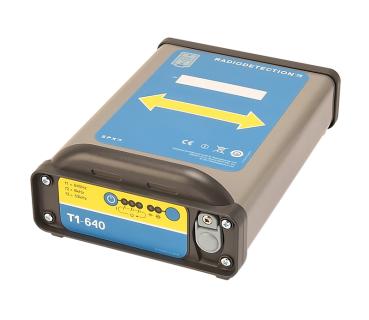
In environments where the primary task is locating telecommunications cables and high-impedance lines, the T1-131 with the higher frequency range should be used. For pipe locating, a lower frequency range can be selected, optionally using the parameters 65 / 512 / 640 Hz.
SuperC.A.T4+ S
Water and pipeline industry
To detect and trace buried pipes, SuperCAT4+ S locates the widest spectrum of sonde frequencies.
The S-model detects sonde frequencies tailored to the requirements of water and drainage pipe tracing. Low-frequency sondes are suitable for cast-iron pipes. Higher frequencies are used for tracing non-metallic pipes and conduits.
Additionally, a 33kHz active frequency can be applied to a FlexiTrace for continuous signal tracing using a T1-512 or T1-640 transmitter.
SuperC.A.T4+ CPS
Construction / Gas utilities
Optimized for oil and gas pipelines (metal pipes) that carry DC current for cathodic protection (CPS). The CPS signal can be located and traced on the line without applying an additional transmitter signal.